

Find Niche Urns for Human Ashes That Fit the Space
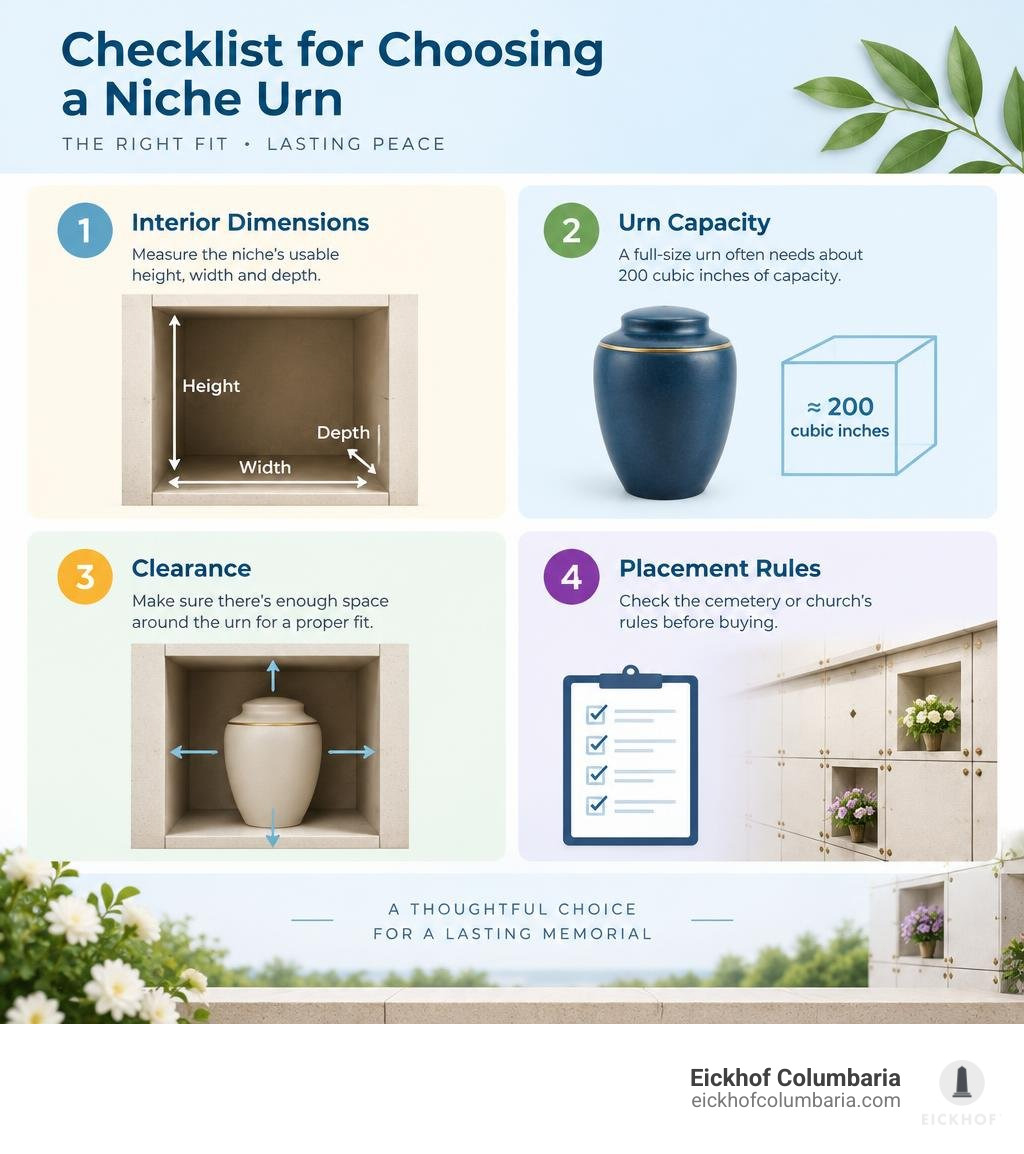
Start with the niche, not the urn. Measure its usable height, width, and depth, then check the cemetery or church’s rules before buying. A full-size urn often needs about 200 cubic inches of capacity, but that number tells you how much it holds, not whether its outside dimensions will fit.
For a compact, low-maintenance memorial, compare metal, stone, ceramic, and wood urns with secure closures. A keepsake urn works for a portion of the ashes, not usually a full adult’s remains. The options below help you narrow the choice by fit, capacity, material, and appearance.
Quick niche urns for human ashes definitions:
Understanding Niche Urns for Human Ashes and Columbarium Requirements
A columbarium is an above-ground structure composed of small recessed compartments, known as niches, specifically designed to securely hold and display urns containing cremated remains. While traditional urns might sit atop an open fireplace mantle or be placed into an underground burial vault, niche urns must adhere strictly to the spatial limitations of these architectural compartments.
When evaluating single niche capacity options, the primary goal is maximizing inner storage without exceeding outer architectural boundaries. Families must balance two critical metrics: interior capacity (how many cubic inches of ashes the urn holds) and exterior dimensions (the physical height, width, and depth in inches). Calculating urn volume begins with the standard industry guideline of one cubic inch of urn capacity per one pound of healthy body weight prior to cremation. To ensure a comfortable fit, calculating adult urn volume requirements helps verify that the selected vessel will hold the entirety of the remains while sliding cleanly into the niche opening.
| Urn Category | Typical Internal Capacity | Common Exterior Dimensions (H x W x D) | Primary Columbarium Use Case |
|---|---|---|---|
| Standard Adult | 180 – 220 cu. in. | 9.0″ – 10.5″ x 6.0″ – 8.0″ x 6.0″ – 8.0″ | Single niche placement for one individual |
| Companion / Shared | 350 – 440 cu. in. | 10.0″ – 11.5″ x 9.0″ – 10.5″ x 8.0″ – 9.0″ | Double niche housing two sets of remains |
| Keepsake / Mini | 2 – 25 cu. in. | 2.5″ – 4.5″ x 2.5″ – 4.0″ x 2.5″ – 4.0″ | Symbolic sharing or multi-vessel niche arrangements |
Sizing Standards: Matching Urn Dimensions to Niche Interiors
In the columbarium industry, standard single niches often feature interior dimensions around 12″ x 12″ x 12″, though compact variations (such as 10″ x 10″ x 10″ or 9″ x 9″ x 9″) and custom configurations are widespread. Because an adult urn holding the standard 200 cubic inches can be shaped as a tall vase, a wide bowl, or a slender rectangular cube, exterior clearance is critical.
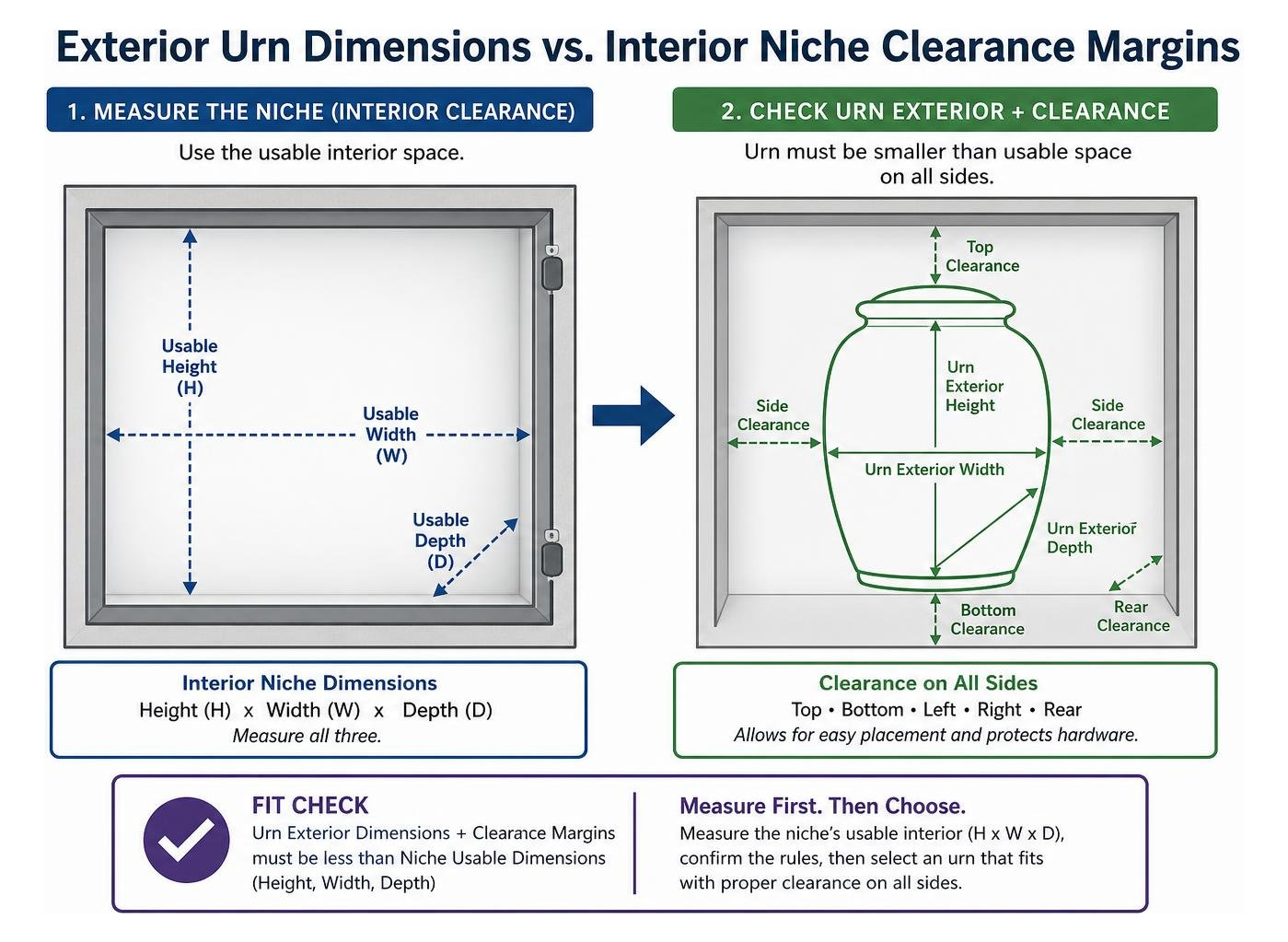
A rounded vase-style urn with a 9-inch diameter base might fit the floor of a 10″ x 10″ niche, but its flared shoulder could collide with the inner door framing or internal locking mechanisms. When navigating cremation niche selection rules, always measure the usable clearance—accounting for inner bevels, concealed hardware, and shelf tracks—rather than relying solely on rough opening blueprints.
Capacity Differences: Full-Size, Companion, and Keepsake Niche Urns for Human Ashes
Selecting the right capacity depends on whether the niche serves an individual, a couple, or an extended family tribute:
- Full-Size Niche Urns: Built to accommodate an individual, standard adult models hold between 180 and 220 cubic inches. Designs like the Flamingo Urn for Ashes | Celestial Teal – Yatskia provide a classic 200-cubic-inch capacity within a 10-inch height profile, easily fitting within standard single niche compartments.
- Companion Urns: When two individuals wish to share a single columbarium space, dual-capacity companion urns for shared niches offer either a unified internal chamber or two separate side-by-side chambers totaling 350 to 440 cubic inches, eliminating the need to purchase two separate niches.
- Keepsake and Sharing Vessels: When remains are divided among multiple family members, miniature keepsake urns for divided remains provide symbolic capacity. Options range from the Mini Keepsake Urn | Mini Cremation Urns for Human Ashes, holding 2.25 cubic inches (36 ml), to artisan 3D-printed ceramic keepsakes like the Cremation Urn “Nexus” – 3D Printed Ceramic Urn | Cobalt Metallic | Kee – Pulvis Art Urns holding 23 cubic inches (0.38 liters), perfectly scaled for glass-front niche displays.
Best Materials for Columbarium Display and Long-Term Preservation
Columbarium structures fall primarily into two structural categories: exterior granite-faced structures exposed to ambient humidity and seasonal temperature shifts, and indoor glass-front niches maintained in climate-controlled sanctuaries. Choosing the proper material ensures the vessel remains pristine throughout decades of memorialization.
Sheet Bronze, Brass, and Aluminum Urns
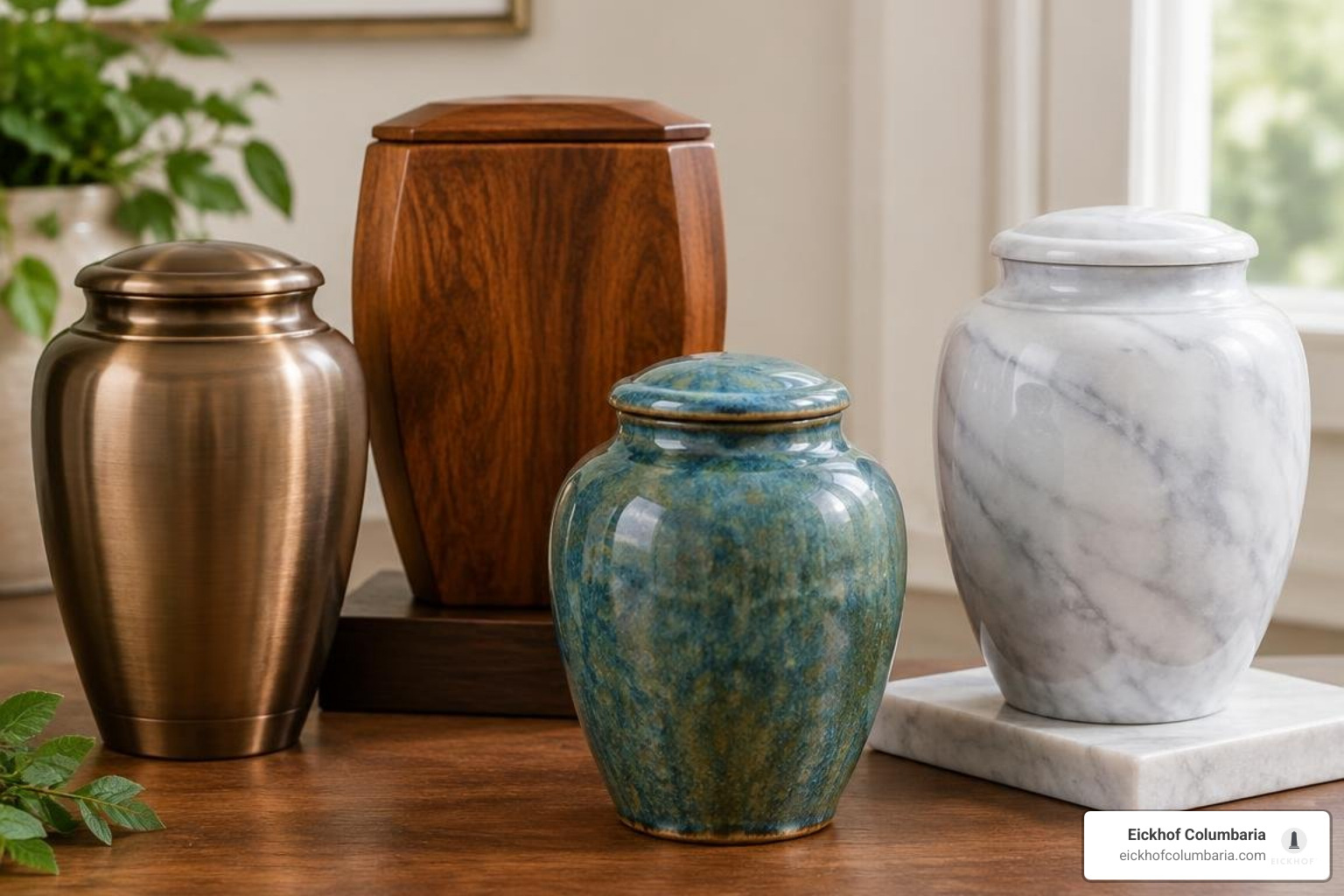
Metals represent the gold standard for permanence and space efficiency in columbaria. Reviewing sheet bronze urn specifications and longevity reveals why cemetery administrators frequently recommend them: sheet bronze and cast brass resist corrosion, do not shatter if accidentally jarred, and are formed into tight rectangular or cuboid profiles. This geometric efficiency delivers maximum internal capacity with minimal exterior bulk. High-grade aluminum offers a lightweight, modern alternative with durable anodized coatings and protective enamel finishes suitable for indoor and outdoor niches alike.
Handcrafted Hardwood and Artisanal Wooden Urns
For families who favor organic warmth, handcrafted wooden memorial vessels bring rich texture and time-honored woodworking artistry to glass-front niches. Woods such as walnut, cherry, oak, and butternut age with dignity when kept in dry environments.
A prime example is the Butternut and Walnut Cremation Urn with Nesting Keepsake Tray | INDIGENE, which features a 217-cubic-inch capacity (measuring 7.25″ W x 6.25″ D x 10.125″ H) and incorporates internal beeswax sealants alongside an upper nesting tray for locks of hair, wedding rings, or handwritten notes.
Ceramic, Stone, and Eco-Friendly Alternatives
Cultured and genuine marble provide heavyweight durability, natural stone veining, and exceptional resistance to environmental moisture in outdoor niches. Glazed ceramics, fired at high temperatures (often exceeding 1200°C), deliver artistic finishes ranging from metallic patinas to sculpted geometries.
While biodegradable paper and plant-based vessels like the BIOS URN: LARGE SIZE (160.5 cubic inches) or the Tree of Life Biodegradable Cremation Urn for Adult Ashes – Engraved Personalised Memorial Urn – Yatskia Urns (200 cubic inches) are engineered primarily for ground return or tree root integration, they remain stable if kept dry in a sealed indoor niche. However, they lack the structural resilience of metal or stone over multiple generations.
Customization, Sealing, and Practical Placement Considerations
Personalizing a columbarium tribute transforms an industrial compartment into an intimate sanctuary of remembrance.
Selecting Personalized Niche Urns for Human Ashes to Honor a Life
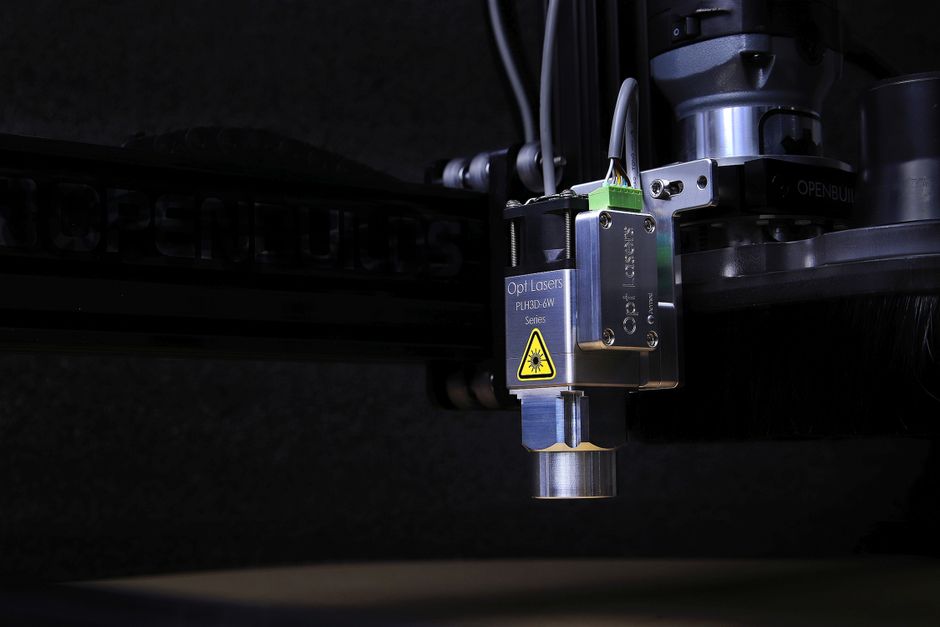
Modern manufacturing allows for extensive customization, from direct rotary engraving to photo-quality laser etching. When choosing personalized urns celebrating life milestones, consider elements that capture the individual’s passions—such as military emblems, religious motifs, or nature themes like the carved willow pattern on popular Tree of Life memorials.
Before commissioning custom text, review local cemetery inscription rules and guidelines. Many facilities specify exact font types, character counts (e.g., up to 80 characters for full urns or 40 characters for keepsakes), and layout parameters for both the urn face and exterior niche faceplates.
Sealing Mechanisms and Permanent Cemetery Guidelines
Securing an urn prevents accidental spills during seasonal maintenance, inspections, or companion interments:
- Threaded Metal Lids: Common on brass and aluminum vessels, providing a tight mechanical closure.
- Bottom-Plate Screws: Standard on hardwood and sheet bronze boxes, securing a base panel with counter-sunk screws.
- Adhesive Sealants: Used on ceramic and stone lids, where silicone or epoxy ensures a hermetic seal after a brief curing period (typically 4–8 hours).
Additionally, many cemeteries require cemetery-approved permanent urn holders or inner vault liners to prevent shifting within the niche over time.
Transferring Cremated Remains Safely
Cremated remains are returned from the crematory in a durable plastic bag placed inside a temporary container. Transferring remains into the final niche vessel requires careful handling:
- Leave the Bag Sealed: In most cases, you do not need to pour loose ashes. The plastic liner bag can be gently compressed and placed directly inside the open urn cavity.
- Use a Funnel for Narrow Openings: For urns with narrow top apertures, a wide-mouth funeral funnel ensures a clean transfer.
- Request Professional Assistance: Funeral directors and crematory operators routinely handle urn transfers at little to no charge, ensuring the vessel is filled, sealed, and inspected without distress to the family.
- Use Transit Pouches: Keep the urn in a protective velvet pouch during transport to the columbarium to avoid scratching exterior finishes.
Pricing Breakdown: What Factors Influence the Cost of Niche Urns
Niche urn pricing spans a broad spectrum based on material composition, fabrication techniques, and personalization:
- Budget-Friendly Aluminum & Steel ($50 – $150): Precision-spun metals offering reliable durability, basic personalization, and standard adult capacities.
- Mid-Range Hardwood & Cultured Stone ($150 – $350): Solid oak, maple, walnut, or composite marble featuring fine joinery, laser-engraved motifs, and durable finishes.
- Artisanal, Ceramic & Sheet Bronze ($350 – $800+): Handcrafted boutique woodwork with nesting trays, double-fired studio ceramics, and heavy-gauge sheet bronze engineered for lifetime longevity.
Custom hand-engraving, express international delivery, and specialized vault accessories can introduce nominal additions to baseline pricing.
Frequently Asked Questions About Columbarium Niche Urns
What is the standard size requirement for a columbarium niche urn?
While niche dimensions vary by facility, the standard interior benchmark is roughly 12″ x 12″ x 12″, accommodating an urn with 200 cubic inches of internal volume and exterior dimensions under 10″ in height and 8″ in width and depth. Always request the exact interior clearance specifications from your cemetery administrator prior to purchase.
Can funeral homes assist with transferring ashes into a niche urn?
Yes. Under the Federal Trade Commission’s Funeral Rule, funeral homes are required to handle third-party urns provided by the family, and their staff will professionally transfer the remains into your selected niche urn securely and respectfully.
Are biodegradable urns permitted inside columbarium niches?
Most columbaria permit biodegradable urns in dry, indoor niches, provided they remain structurally intact and contain no unsealed organic liquids. However, because biodegradable vessels are designed to break down over time when exposed to moisture, permanent stone, metal, or hardwood urns are recommended for long-term above-ground preservation.
Conclusion
Choosing the right niche urn requires balancing precise architectural fit, structural longevity, and meaningful personalization. By measuring your columbarium space accurately, selecting durable materials suited to the environment, and adhering to cemetery placement guidelines, you ensure a fitting, enduring resting place.
At Eickhof Columbaria, our handcrafted, concealed-hardware stone systems are built to provide timeless beauty and security for generations. To discover vessels and memorial plaques crafted to integrate seamlessly with your columbarium space, explore premium columbarium urns and custom inscription options tailored to your family’s needs.